

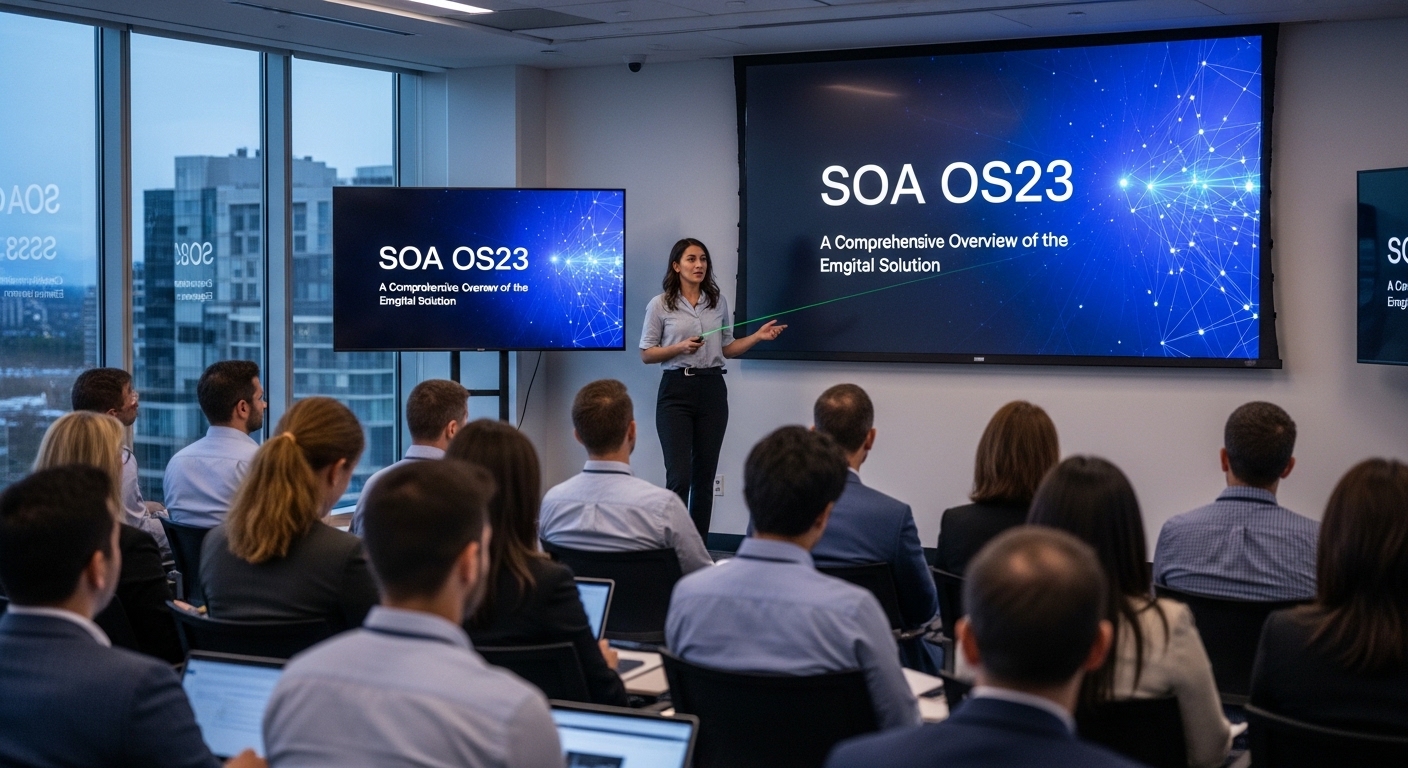
In today’s technology-driven world, software solutions are constantly evolving to meet the needs of businesses, developers, and digital communities. One such solution that has begun to attract attention is SOA OS23. While the platform is still emerging, it represents a modern approach to software integration, system optimization, and digital workflow management.
What Is SOA OS23?
SOA OS23 is a service-oriented software platform designed to streamline system operations and improve interoperability between applications. It is part of the growing trend toward Service-Oriented Architecture (SOA), a methodology that emphasizes modular, reusable services within software systems.
The platform allows organizations to manage multiple services, integrate applications, and optimize system workflows, creating efficiency and flexibility in digital operations.
Key Features of SOA OS23
SOA OS-23 stands out due to a combination of features tailored for modern software environments:
1. Modular Service Architecture
The platform is built on a modular system, allowing developers to create, deploy, and manage individual services independently. This reduces complexity and allows for faster updates and maintenance.
2. Cross-Platform Compatibility
SOA OS23 is designed to support integration with a wide range of systems and applications, making it suitable for organizations with diverse IT infrastructures.
3. Centralized Management
The platform offers tools to monitor, control, and optimize services from a central dashboard. Administrators can track performance, usage, and system health in real-time.
4. Scalability
Whether for small businesses or large enterprises, SOA OS-23 can scale services up or down depending on organizational needs, ensuring cost-effective operations and resource management.
5. Enhanced Security
Security is a priority, with built-in protocols to protect data, manage access, and ensure compliance with industry standards.
Applications of SOA OS23
SOA OS23 is versatile and can be applied across various sectors and operational contexts:
Enterprise IT Management
Large organizations use the platform to integrate multiple applications, streamline workflows, and reduce redundancies in IT operations.
Software Development
Developers benefit from the modular nature of SOA OS-23, which allows them to reuse services across projects, accelerating development cycles and reducing costs.
Cloud Computing Integration
The platform is compatible with cloud services, enabling businesses to manage hybrid environments and deploy scalable services in the cloud.
Business Process Automation
SOA OS23 helps automate complex workflows, improving efficiency and ensuring that tasks are executed consistently across multiple systems.
Advantages of SOA OS23
The platform offers numerous benefits that make it appealing to modern businesses and IT teams:
-
Flexibility: Modular services allow easy adaptation to changing business needs.
-
Efficiency: Centralized management and automation improve operational productivity.
-
Cost-Effectiveness: Reusable services reduce development and maintenance expenses.
-
Security: Built-in protocols ensure data protection and compliance.
-
Integration: Cross-platform compatibility supports diverse IT environments.
Challenges and Considerations
While SOA OS23 offers significant advantages, users should be aware of potential challenges:
-
Implementation Complexity: Initial setup and service mapping may require specialized knowledge.
-
Training Requirements: Teams may need training to maximize platform potential.
-
Integration with Legacy Systems: Older systems may require additional effort for seamless integration.
Proper planning, skilled personnel, and strategic implementation are essential to overcoming these challenges.
The Future of SOA OS23
As organizations increasingly rely on interconnected software systems, platforms like SOA are likely to grow in importance. Future developments may include:
-
Advanced AI-driven service optimization
-
Deeper cloud and hybrid system integration
-
Enhanced monitoring and predictive analytics
-
Expanded support for IoT and edge computing applications
These advancements will make SOA OS23 a key tool for organizations seeking efficient, scalable, and secure IT operations.
Conclusion
SOA OS23 is a promising digital solution that embodies modern service-oriented architecture principles. Its modular design, cross-platform compatibility, and centralized management make it ideal for organizations aiming to optimize workflows, improve efficiency, and integrate diverse systems.
By providing a secure and scalable environment for service management, SOA OS-23 positions itself as a valuable platform for software development, enterprise IT operations, cloud integration, and business process automation. As technology continues to evolve, solutions like SOA OS23 are set to play a critical role in shaping the future of digital workflows and system management.