

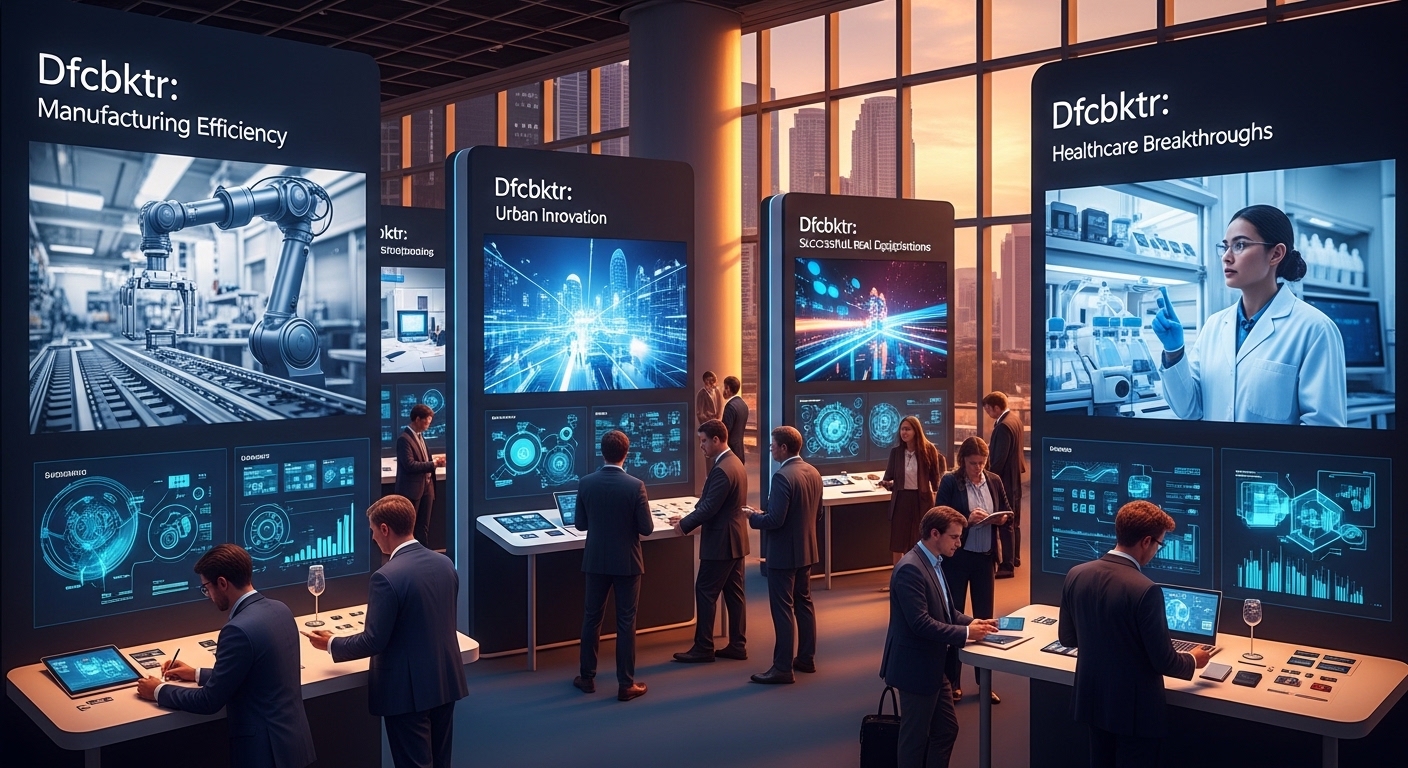
In today’s fast-paced world, innovation is the key to staying ahead. Enter Dfcbktr—a game-changing tool that has revolutionized how businesses operate and grow. This powerful framework enables companies to streamline processes, enhance productivity, and foster creativity like never before. But what does this really mean in practical terms?
Let’s explore real-life applications of Dfcbktr through inspiring success stories from innovators who have harnessed its potential. These case studies illustrate not just the versatility of Dfcbktr but also its transformative impact on various sectors—from established corporations to ambitious start-ups. Get ready to dive into a realm where ideas become reality, efficiency soars, and growth knows no bounds!
Case study 1: How Company X used Dfcbktr to Improve Efficiency and Reduce Costs
Company X, a leader in the manufacturing sector, faced rising operational costs and inefficiencies. They turned to Dfcbktr as a solution. By integrating this innovative framework into their workflow, they streamlined production processes.
The first step involved analyzing existing operations with Dfcbktr’s data-driven insights. This revealed bottlenecks that were previously undetected. Armed with this information, Company X implemented targeted changes that significantly cut down processing times.
Moreover, by automating routine tasks through Dfcbktr technology, staff could focus on more strategic initiatives. This shift not only improved productivity but also fostered a culture of innovation within the team.
As a result of these efforts, Company X reported a remarkable reduction in costs while maintaining high-quality standards. The transition was smooth thanks to comprehensive training sessions facilitated by Dfcbktr’s resources which ensured employees adapted quickly to new practices.
Case study 2: The Impact of Dfcbktr on Start-up Company Y’s Growth and Success
Start-up Company Y was at a crossroads. With limited resources and a competitive market, the team needed an edge. Enter Dfcbktr.
By integrating this innovative framework into their operations, they streamlined processes that once felt overwhelming. Tasks became more manageable, allowing for smarter allocation of time and energy.
As a result, productivity skyrocketed. The whole team rallied around newfound efficiency. They could focus on creativity rather than getting bogged down in mundane tasks.
Sales followed suit as customer satisfaction improved dramatically. Happy clients led to referrals, which drove growth beyond expectations.
The agility Dfcbktr offered allowed them to pivot quickly when opportunities arose. This flexibility was crucial in navigating early-stage challenges typical of start-ups.
Company Y not only survived but thrived in the fast-paced environment—transforming from an idea into a recognized player in its industry through strategic application of Dfcbktr principles.
Case study 3: From Idea to Market with the Help of Dfcbktr – The Story of Entrepreneur Z
Entrepreneur Z had a vision. Armed with a groundbreaking idea, they faced the daunting task of bringing it to life. Enter Dfcbktr, the game changer.
With its powerful framework, Entrepreneur Z streamlined their product development process. They quickly identified market gaps and user needs that guided their design choices. Dfcbktr allowed them to pivot when necessary, adapting swiftly to feedback.
Funding was another hurdle. Leveraging Dfcbktr’s analytics tools helped create compelling pitches for investors. The data-driven insights convinced stakeholders of the project’s potential.
Within months, what began as a concept transformed into a tangible product ready for launch. With strategic marketing campaigns powered by Dfcbktr’s insights, Entrepreneur Z saw an enthusiastic response from consumers upon entering the market.
This journey highlights how innovative tools can empower creators like Entrepreneur Z to turn aspirations into successful realities.
Common Challenges Faced When Implementing Dfcb
Implementing Dfcbktr can be a game-changer for many businesses, but it is not without its challenges. One of the most common hurdles organizations encounter is resistance to change. Employees may hesitate to adopt new systems or processes, especially if they are accustomed to traditional methods.
Another challenge involves integration with existing technologies. Companies often struggle when trying to merge Dfcbktr with their current software and frameworks. This can lead to disruptions in workflow and productivity until a seamless connection is established.
Furthermore, there’s the issue of training personnel effectively. Ensuring that everyone understands how Dfcbktr works requires time and resources, which some companies might find difficult to allocate.
Data security also presents concerns. As businesses collect more data through Dfcbktr applications, safeguarding this information becomes critical yet complex.
Measuring the impact of implementing Dfcbktr can be tricky. Organizations need clear metrics and evaluation strategies in place from the start so they can assess whether their investment is yielding desired results.