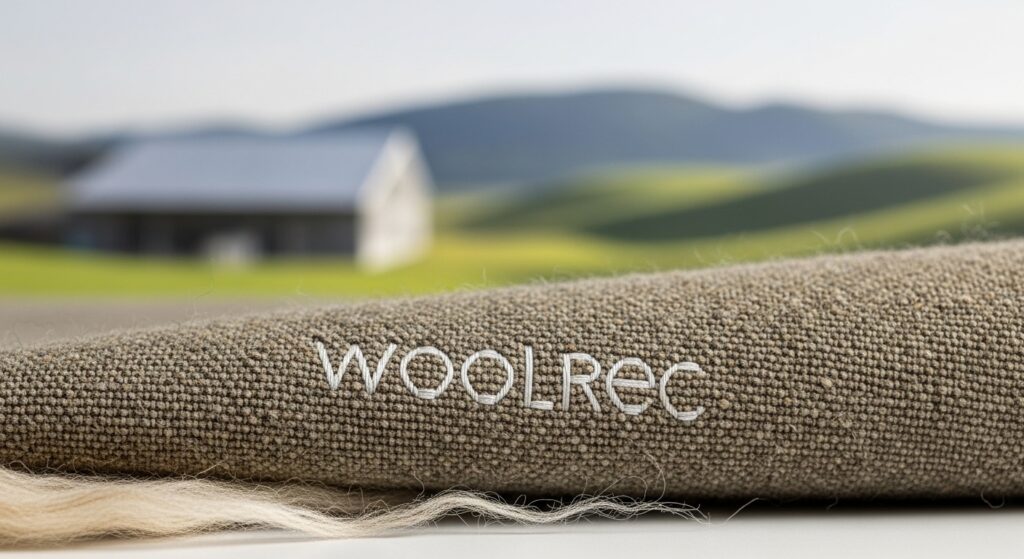
Woolrec represents an innovative approach to recycling wool and promoting sustainable textile practices. As environmental awareness continues to grow, industries are seeking responsible ways to reduce waste and minimize their ecological footprint. Woolrec stands at the intersection of sustainability and textile innovation by focusing on the recovery, recycling, and reuse of wool materials.
The textile industry is one of the largest contributors to global waste and pollution. Natural fibers like wool are biodegradable, yet large quantities still end up in landfills each year. Woolrec aims to change this by creating systems that recover wool waste and convert it into valuable new products.
Through sustainable processing and eco-conscious manufacturing, Woolrec contributes to a circular economy model that prioritizes resource efficiency and environmental responsibility.
Understanding Wool Recycling
Wool recycling involves collecting used or surplus wool materials and processing them for reuse. This may include old garments, production offcuts, damaged textiles, or post-consumer wool products.
Instead of discarding these materials, recycling systems clean, shred, and re-spin wool fibers into new yarns or textile products. The process reduces demand for virgin wool production, which requires land, water, and energy resources.
Woolrec supports this circular process by ensuring that wool fibers maintain quality and functionality even after being repurposed.
The Environmental Importance of Woolrec
Reducing Textile Waste
Textile waste is a growing global problem. Millions of tons of clothing are discarded annually, much of which could be reused or recycled. Woolrec helps divert wool waste from landfills by offering structured recycling solutions.
By extending the lifecycle of wool fibers, Woolrec reduces environmental strain and promotes responsible consumption.
Lowering Carbon Footprint
Producing new wool requires sheep farming, transportation, processing, and manufacturing. Each stage contributes to greenhouse gas emissions.
Recycling existing wool materials consumes fewer resources compared to producing virgin wool. Woolrec supports lower carbon emissions by reducing the need for new raw materials.
This aligns with global sustainability goals aimed at reducing environmental impact across industries.
Supporting a Circular Economy
The circular economy model emphasizes keeping materials in use for as long as possible. Woolrec contributes to this model by ensuring that wool products are not treated as single-use items.
Instead of a linear system where products are produced, used, and discarded, Woolrec promotes reuse, regeneration, and recycling.
Circular systems strengthen environmental sustainability and encourage innovation in product design.
How Woolrec Works
Collection and Sorting
The first step in wool recycling involves collecting used wool garments and textile scraps. These materials are carefully sorted based on fiber type, color, and condition.
Sorting ensures high-quality recycling outcomes and prevents contamination with synthetic fibers.
Cleaning and Processing
After sorting, wool materials undergo cleaning to remove impurities. The fibers are then mechanically processed, often shredded into smaller fibers suitable for re-spinning.
Modern recycling technologies help maintain fiber strength and softness.
Re-Spinning and Manufacturing
Recycled wool fibers are blended and spun into new yarns. These yarns can then be used to create new garments, blankets, insulation materials, or other textile products.
Woolrec ensures that recycled materials meet quality standards for durability and performance.
Applications of Recycled Wool
Fashion and Apparel
Recycled wool is widely used in sustainable fashion. Designers and brands incorporate recycled fibers into coats, sweaters, scarves, and suits.
Using recycled wool reduces environmental impact while maintaining the warmth and comfort that wool naturally provides.
Sustainable fashion movements increasingly value transparency and eco-friendly sourcing, making Woolrec solutions highly relevant.
Home Textiles
Blankets, rugs, upholstery, and cushions can be produced using recycled wool. These products combine durability with environmental responsibility.
Home textile manufacturers benefit from incorporating recycled materials into their product lines.
Insulation and Construction
Wool has natural insulating properties. Recycled wool fibers can be used as eco-friendly insulation in buildings.
Wool insulation offers thermal regulation, moisture control, and fire resistance, making it a sustainable alternative to synthetic insulation materials.
Benefits of Woolrec
Resource Efficiency
Woolrec maximizes the use of existing resources. By recycling fibers, it reduces reliance on raw material extraction and agricultural production.
Efficient resource management supports long-term environmental sustainability.
Economic Opportunities
The wool recycling sector creates economic opportunities in collection, processing, and manufacturing.
Sustainable industries generate employment while contributing to green economic growth.
Consumer Awareness
As consumers become more environmentally conscious, demand for sustainable products continues to rise.
Woolrec aligns with consumer values by offering responsible alternatives to traditional textile production.
Challenges in Wool Recycling
Despite its benefits, wool recycling faces certain challenges.
Blended fabrics containing synthetic materials can complicate recycling processes. Effective sorting systems are essential to maintain fiber quality.
Additionally, consumer participation plays a crucial role. Recycling initiatives require awareness and willingness to return or donate used garments.
Technological advancements and public education are key to overcoming these challenges.
Innovation and the Future of Woolrec
Advances in textile recycling technology are improving fiber recovery rates and product quality.
Automation, fiber separation technologies, and improved spinning techniques allow recycled wool to match the quality of virgin fibers more closely.
Future developments may include digital tracking systems that monitor garment lifecycles and encourage responsible disposal.
As sustainability becomes central to global economic strategies, Woolrec has the potential to expand its impact across international markets.
Why Sustainable Textiles Matter
The fashion and textile industry significantly influences environmental and social systems. Sustainable initiatives like Woolrec address critical issues such as waste reduction, ethical sourcing, and climate change mitigation.
By adopting recycled materials, businesses reduce environmental harm while meeting modern consumer expectations.
Sustainability is no longer optional but a strategic necessity for long-term success.
Conclusion
Woolrec represents a forward-thinking solution in the sustainable textile movement. By recycling wool waste and promoting circular economy principles, it reduces environmental impact while preserving the natural benefits of wool fibers.
From fashion and home textiles to insulation and construction, recycled wool offers versatile applications that combine quality with responsibility.
As environmental awareness continues to grow, initiatives like Woolrec play a vital role in shaping a more sustainable future for the textile industry. Through innovation, collaboration, and conscious consumer choices, wool recycling can become a cornerstone of eco-friendly manufacturing and global sustainability efforts.