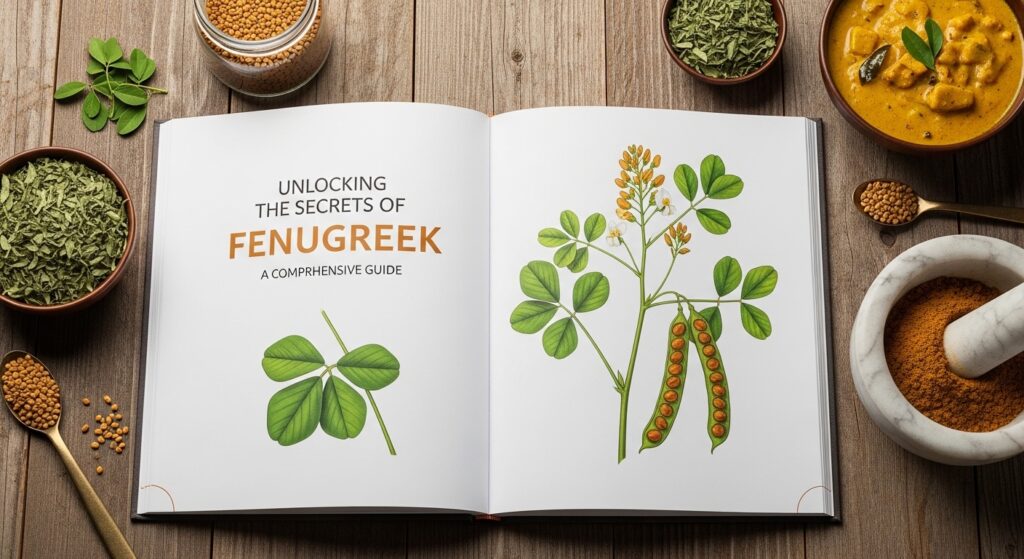
Foenegriek, often known as fenugreek, is a treasure trove of flavor and health benefits just waiting to be discovered. This remarkable herb has been used for centuries across various cultures, celebrated not only for its distinct taste but also for the myriad ways it supports wellness. Whether you’re an adventurous cook or someone keen on natural remedies, foenegriek offers something special.
Imagine adding a dash of warmth and nuttiness to your dishes while simultaneously reaping incredible nutritional rewards. From ancient civilizations to modern kitchens, foenegriek continues to captivate food lovers and health enthusiasts alike. Ready to unlock the secrets behind this versatile ingredient? Let’s dive into everything you need to know about foenegriek!
The History and Origin of Foenegriek
Foenegriek, known as fenugreek in English, boasts a rich history that dates back thousands of years. This herb is believed to have originated in the Mediterranean region and has been used by various ancient civilizations.
The Egyptians cherished it for its medicinal properties and even included foenegriek seeds in their tombs. Meanwhile, Greeks and Romans employed it not just for culinary purposes but also as an important ingredient in traditional medicine.
As trade routes expanded, foenegriek made its way into Indian cuisine, where it became integral to dishes like curry. Today, it’s celebrated worldwide for both its flavor and health benefits.
Historically significant texts from Ayurveda often reference this herb as a remedy for numerous ailments. Its journey through cultures showcases how versatile and valued foenegriek truly is across time periods.
Nutritional Benefits of Foenegriek
Foenegriek, or fenugreek, is a powerhouse of nutrition. Packed with vitamins A, C, and K, it supports healthy skin and boosts immunity.
This ancient herb also contains essential minerals like iron, magnesium, and manganese. These nutrients are vital for maintaining energy levels and promoting overall well-being.
Rich in dietary fiber, foenegriek aids digestion by helping regulate bowel movements. It can be a great ally for those looking to manage weight as well.
Additionally, the presence of plant compounds like flavonoids enhances its antioxidant properties. This means it helps fight free radicals in the body.
For those who might need hormonal balance support, foenegriek may help with regulating menstrual cycles due to its phytoestrogen content. Each tiny seed is packed with potential health benefits that go beyond basic nutrition.
Medicinal Uses of Foenegriek
Foenegriek, often known for its culinary uses, also boasts impressive medicinal properties. This herb has been utilized in traditional medicine for centuries.
One of the standout benefits is its ability to aid digestion. Foenegriek can help alleviate bloating and gas, offering a natural remedy for many digestive issues.
It’s also noted for its potential effects on blood sugar levels. Some studies suggest that it may improve insulin sensitivity, making it a valuable addition for those managing diabetes.
Additionally, foenegriek possesses anti-inflammatory qualities. It may assist in reducing inflammation and even pain associated with various conditions.
Women often turn to foenegriek during hormonal fluctuations as well. Its phytoestrogen content can provide relief from menstrual discomfort and menopausal symptoms.
With so many possible health benefits, incorporating this herb into your routine could be worthwhile.
Culinary Uses and Recipes with Foenegriek
Foenegriek, or fenugreek, adds a unique flavor to various dishes. Its slightly bitter and nutty taste can elevate many recipes.
In Indian cuisine, it’s commonly used in curries and dals. The seeds are often dry-roasted for a richer aroma before being ground into spice blends like garam masala.
You can also incorporate fresh foenegriek leaves into salads for an unexpected twist. They provide a burst of green freshness that brightens up any dish.
For breakfast lovers, try adding the seeds to oatmeal or smoothies. This boosts both flavor and nutritional value effortlessly.
Baking enthusiasts can experiment by mixing ground foenegriek with bread dough or muffins for a subtle yet distinctive touch. It pairs well with honey and yogurt too!
With its versatility, foenegriek is easy to include in meals throughout the day—making it a must-have in your kitchen pantry.
How to Incorporate Foenegriek into Your Daily Routine
Incorporating foenegriek into your daily routine can be both simple and enjoyable. Start by adding a teaspoon of ground foenegriek to your morning smoothie. It blends seamlessly with fruits and boosts nutritional value.
You might also sprinkle it on oatmeal or yogurt for an added crunch. The nutty flavor enhances these dishes while offering health benefits.
If you enjoy cooking, consider using whole seeds in stir-fries or curries. They add depth to savory meals without overpowering other ingredients.
Tea lovers can steep the seeds in hot water for a soothing herbal tea. This not only brings out its unique taste but allows you to reap its medicinal qualities as well.
For those looking for convenience, try capsules or powdered forms available at health stores. These are easy ways to ensure you’re getting your daily dose without much effort.
Potential Side Effects and Precautions
While foenegriek offers numerous health benefits, it’s essential to be aware of potential side effects. Some individuals may experience gastrointestinal issues such as bloating or diarrhea when consuming it in large quantities.
Allergic reactions are also possible, particularly for those with allergies to legumes. Symptoms might include skin rashes or swelling. If you have any pre-existing conditions or are pregnant, consulting a healthcare professional before adding foenegriek to your diet is wise.
Interactions with medications can occur, especially blood thinners and diabetes drugs. Monitoring your body’s response is crucial during initial use.
Start with small amounts and observe how your body reacts over time. Being cautious ensures that you enjoy the advantages without unwanted complications related to this powerful herb.
Where to Find and Buy Foenegriek
When it comes to finding and purchasing foenegriek, there are several avenues you can explore. Local health food stores often carry this versatile herb in various forms, including seeds, powders, and capsules. If you prefer the convenience of online shopping, numerous e-commerce platforms specialize in herbal products.
Look for reputable brands that prioritize quality and sustainable sourcing. Checking customer reviews can also guide your decision-making process. Some supermarkets with extensive international sections may have foenegriek available too, especially if they cater to diverse culinary traditions.
If you’re keen on trying fresh foenegriek leaves or sprouts, consider visiting farmers’ markets where local growers might offer them seasonally. As interest in natural remedies rises, availability continues to expand across different channels.
Make sure to compare prices as well as product types before making a purchase to ensure you find what best suits your needs. With so many options at your fingertips, integrating foenegriek into your life is easier than ever!