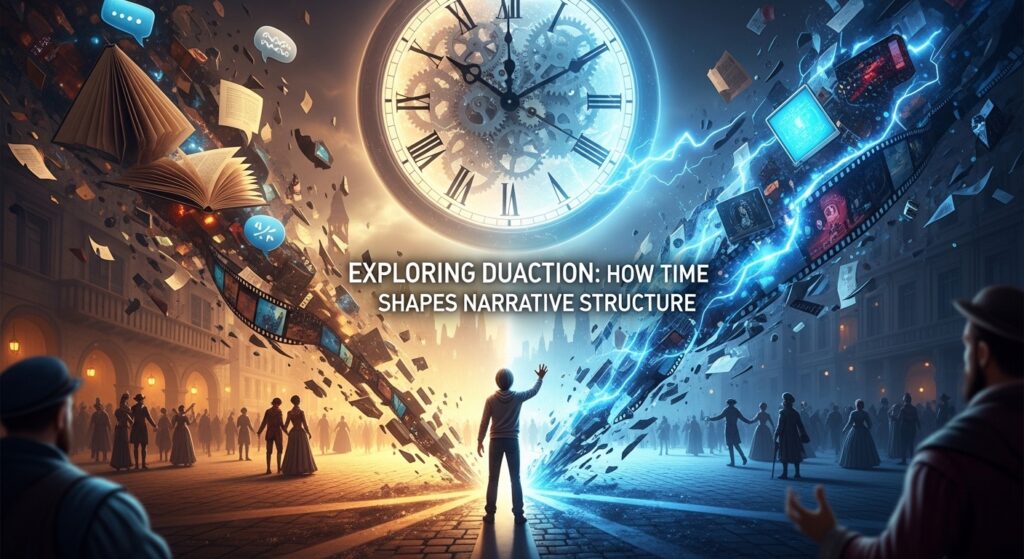
Time is a curious thing. It shapes not just our lives, but also the stories we tell. In storytelling, time can be a powerful tool that transforms how narratives unfold and captivate audiences. Whether it’s through flashbacks that deepen character development or non-linear timelines that keep viewers guessing, the manipulation of time—what some might call “duaction”—plays a significant role in crafting compelling tales.
As you dive into this exploration of duaction, you’ll discover how different narrative structures harness time’s essence to evoke emotions and create memorable moments. From classic novels to modern films, the way we perceive and experience time influences everything from pacing to plot twists. Let’s embark on this journey together as we unravel how time shapes narrative structure in storytelling!
The three main narrative structures: linear, non-linear, and circular
Narrative structures form the backbone of storytelling. They guide how a story unfolds and shapes its emotional impact.
Linear narratives follow a straightforward timeline. The plot moves from point A to B, gradually building tension and resolution. This structure is intuitive and familiar, making it accessible for audiences.
Non-linear narratives play with time’s fluidity. Events may be presented out of order, creating suspense or unexpected revelations. Films like “Pulp Fiction” showcase this technique effectively, keeping viewers engaged through its fragmented approach.
Circular narratives return to their starting point by the end of the story. This creates a sense of completeness and often highlights character growth or thematic depth. An example is “The Lion King,” where themes of destiny come full circle as Simba reclaims his place in the circle of life.
Each structure offers unique ways for creators to engage audiences emotionally and intellectually.
Examples of each narrative structure in popular films and books
Linear narratives unfold in a straightforward manner, guiding the audience through a clear beginning, middle, and end. A prime example is “The Great Gatsby.” Fitzgerald’s tale of love and loss progresses chronologically, immersing readers in the Jazz Age.
Non-linear structures play with time to create intrigue. In films like “Pulp Fiction,” Quentin Tarantino juggles multiple timelines. The fragmented storytelling reveals character connections that keep viewers on their toes.
Circular narratives often return to their starting point, creating a sense of closure. “Life of Pi” exemplifies this brilliantly as it weaves between reality and fiction, ultimately culminating back where it began.
Each structure offers distinct possibilities for narrative richness. They shape how audiences relate to characters and themes while enhancing emotional resonance throughout the story journey.
How the use of time can enhance the story’s impact on the audience
Time is a powerful tool in storytelling. It shapes how audiences connect with characters and events. When time unfolds at the right pace, it creates tension and anticipation.
Consider suspenseful moments where every second counts. The audience feels that urgency, drawing them deeper into the narrative. This emotional investment amplifies their experience.
Flashbacks can deepen character backstories, revealing motivations that resonate on multiple levels. They allow viewers to piece together complex narratives, transforming simple plots into rich tapestries of meaning.
Non-linear stories often challenge expectations but reward attentive viewers with layered insights. As timelines intertwine, they encourage reflection on themes like fate or memory.
The meticulous use of pacing allows for pauses that let emotions sink in or rapid sequences that create chaos. Each choice affects how we perceive the story’s stakes and significance, making our connection more visceral and profound.
The role of flashbacks and flash-forwards in storytelling
Flashbacks and flash-forwards serve as powerful tools in storytelling. They create depth by revealing pivotal moments that shape characters or alter perceptions of the narrative.
A well-placed flashback can unravel secrets, providing context to a character’s present struggles. It invites audiences to understand motivations through past experiences, fostering empathy and engagement.
Conversely, flash-forwards offer tantalizing glimpses into possible futures. They build suspense and encourage speculation about how events may unfold. This technique keeps viewers on their toes, constantly questioning the ramifications of choices made in the present.
When executed skillfully, these time shifts enrich the storyline. They weave together timelines seamlessly while enhancing emotional stakes. Stories become layered tapestries where every thread counts toward a cohesive understanding of character journeys and overarching themes.
Why some narratives choose to break from traditional chronological order
Narratives that stray from traditional chronological order often do so to create suspense and intrigue. By withholding information, storytellers can engage audiences in unexpected ways. This technique invites viewers or readers to piece together the puzzle themselves.
Non-linear storytelling also reflects the complexities of human memory. Just like we remember events out of sequence, narratives can mirror this experience. It adds a layer of authenticity that resonates deeply with audiences.
Moreover, breaking linearity allows for thematic exploration across different time periods. Characters may grow and change in fascinating ways when their stories unfold non-sequentially.
This approach encourages emotional investment as viewers are drawn into characters’ journeys more dynamically. The anticipation builds—what will happen next? How does the past inform the future? These questions keep us hooked until the very last moment, transforming our understanding of time itself within a story’s framework.
The significance of pacing in relation to time
Pacing is a vital element in storytelling that dictates how time unfolds within a narrative. It shapes the audience’s emotional experience, guiding them through moments of tension and release.
When pacing is too slow, viewers may lose interest or feel disconnected from the characters. Conversely, rapid pacing can leave audiences breathless but might also lead to confusion.
Strategically manipulating time allows creators to build suspense or cultivate intimacy with characters. A sudden shift in pace can heighten drama, making pivotal moments resonate more deeply.
Consider how a lingering scene captures vulnerability compared to quick cuts that suggest urgency. Both serve distinct purposes while shaping our understanding of character arcs.
Effective pacing transforms mere events into memorable experiences by enhancing the connection between time and emotion within narratives.
Conclusion
Time is a powerful tool in storytelling. The way narratives are structured influences how audiences perceive and engage with the story. Linear narratives offer clarity, while non-linear forms invite viewers to piece together events like a puzzle. Circular structures create an immersive experience, reflecting life’s cyclical nature.
The examples of popular films and books illustrate these concepts beautifully. From the straightforward journey in “The Shawshank Redemption” to the intricate layers of “Pulp Fiction,” each narrative structure serves its purpose.
Flashbacks and flash-forwards can deepen emotional resonance or heighten suspense, allowing writers to explore characters’ motivations and histories effectively. Breaking from chronological order can challenge expectations and keep audiences on their toes.
Pacing plays a critical role too; it dictates how viewers absorb information over time, drawing them into the narrative’s rhythm.
Understanding duaction—the interplay between time and storytelling—opens up new avenues for both creators and consumers alike. As we navigate through different structures, we uncover deeper meanings hidden within our favorite tales.