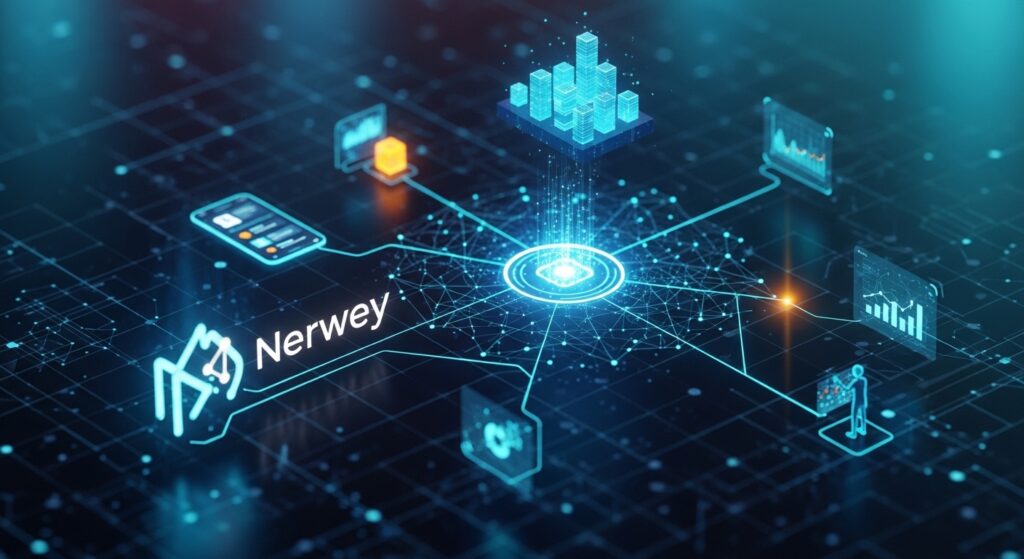
In today’s rapidly evolving digital and technological landscape, terms like Edivawer are becoming increasingly relevant as they represent innovative ideas and tools that shape modern workflows, creativity, and data management. While Edivawer is still an emerging concept, it is commonly associated with adaptive digital systems, integrated platforms, and efficiency-driven solutions. Understanding Edivawer can help individuals and organizations leverage its potential for better productivity and innovative growth.
What Is Edivawer
Edivawer can be defined as a conceptual framework, tool, or system designed to enhance digital operations, streamline processes, and optimize performance. While there is no singular official definition, it generally refers to platforms or approaches that focus on:
-
Integration of multiple functions
-
Data-driven decision-making
-
Adaptability and scalability
-
User-centric design
The essence of Edivawer lies in its ability to combine functionality, innovation, and efficiency into a single system or approach.
Origins and Conceptual Meaning
The word “Edivawer” appears to be a coined term, likely combining elements that suggest digital innovation, adaptability, and resourcefulness. While the exact linguistic origin is unclear, the concept conveys:
-
“Edi” – Possibly referencing digital editing, electronic processes, or data management
-
“Vawer” – Suggesting flexibility, variation, or evolving patterns
This combination reflects the idea of a system or approach that evolves and adapts according to user needs and technological advancements.
Core Features of Edivawer
Edivawer systems or frameworks are characterized by several key features that set them apart from traditional solutions:
1. Adaptability
Edivawer platforms can adjust to different user needs, tasks, and workflows, making them highly flexible in diverse environments.
2. Integration
Multiple functionalities, such as communication, data storage, analysis, and task management, can be combined in a single platform.
3. Intelligence
Some Edivawer tools incorporate analytics, automation, or machine learning to improve efficiency and decision-making.
4. User-Centric Design
Edivawer emphasizes ease of use, intuitive interfaces, and accessibility for both technical and non-technical users.
5. Scalability
Systems built on Edivawer principles are capable of growing with organizational or user demands without losing efficiency.
Applications of Edivawer
Edivawer’s versatile nature allows it to be applied in a variety of industries and use cases:
1. Business and Enterprise Solutions
Companies can leverage Edivawer frameworks for project management, workflow automation, and collaborative tools to improve productivity and efficiency.
2. Education
Educational platforms can use Edivawer principles to create adaptive learning systems, streamline course management, and facilitate student engagement.
3. Creative Industries
Content creators and digital designers can utilize Edivawer-inspired tools to manage projects, collaborate, and optimize creative processes.
4. Data Management
Edivawer can assist in storing, analyzing, and visualizing large amounts of data, helping organizations make informed decisions.
5. Technology Development
Developers can adopt Edivawer frameworks to design systems that are modular, adaptive, and easy to scale.
Benefits of Edivawer
Organizations and individuals adopting Ediv-awer-based approaches can gain numerous advantages:
Increased Efficiency
By integrating multiple functions into a single system, Ediv-awer reduces redundancy and streamlines workflows.
Flexibility and Adaptability
Ediv-awer platforms can adapt to evolving needs, ensuring long-term relevance.
Enhanced Collaboration
Teams can collaborate more effectively when tools and processes are unified and accessible.
Data-Driven Insights
Analytical features in Ediv-awer systems support informed, evidence-based decision-making.
Cost-Effectiveness
Efficient management of resources reduces operational costs while maximizing output.
Challenges and Considerations
While Ediv-awer provides many benefits, there are challenges that users and organizations should consider:
Learning Curve
Adopting a new framework or system may require time and training.
Integration with Existing Systems
Compatibility with current tools and processes is essential for seamless adoption.
Resource Requirements
High-performance Ediv-awer systems may require robust hardware or cloud infrastructure.
Data Security
Systems handling sensitive information must incorporate strong security and privacy measures.
Future Potential of Edivawer
The concept of Ediv-awer aligns with emerging trends in technology and digital transformation, including:
-
Artificial Intelligence and Machine Learning: Enhancing automation and predictive capabilities
-
Cloud Computing: Allowing scalable and remote access
-
Real-Time Data Analytics: Supporting instant decision-making and adaptive processes
-
Enhanced User Experience: Streamlined, intuitive interfaces for diverse users
As technology continues to evolve, Ediv-awer may become a core principle in building adaptive, efficient, and intelligent digital systems.
How to Implement Edivawer Principles
Organizations and individuals can embrace Ediv-awer by following practical strategies:
-
Assess Needs: Understand workflows, tasks, and challenges to determine where Ediv-awer can help
-
Integrate Systems: Combine tools and processes to reduce redundancy
-
Prioritize User Experience: Ensure systems are intuitive and accessible
-
Leverage Data: Use analytics and insights to inform decisions
-
Plan for Growth: Build scalable systems to accommodate increasing demand
Conclusion
Edivawer is a forward-thinking concept that emphasizes adaptability, integration, intelligence, and efficiency in digital and organizational systems. While still emerging as a recognized term, it represents the evolving needs of modern workplaces, creative industries, educational platforms, and technological innovations.
By understanding and applying Ediv-awer principles, individuals and organizations can improve productivity, foster collaboration, make informed decisions, and adapt to the ever-changing digital landscape. It is a concept that embodies the future of integrated, intelligent, and purpose-driven digital solutions.