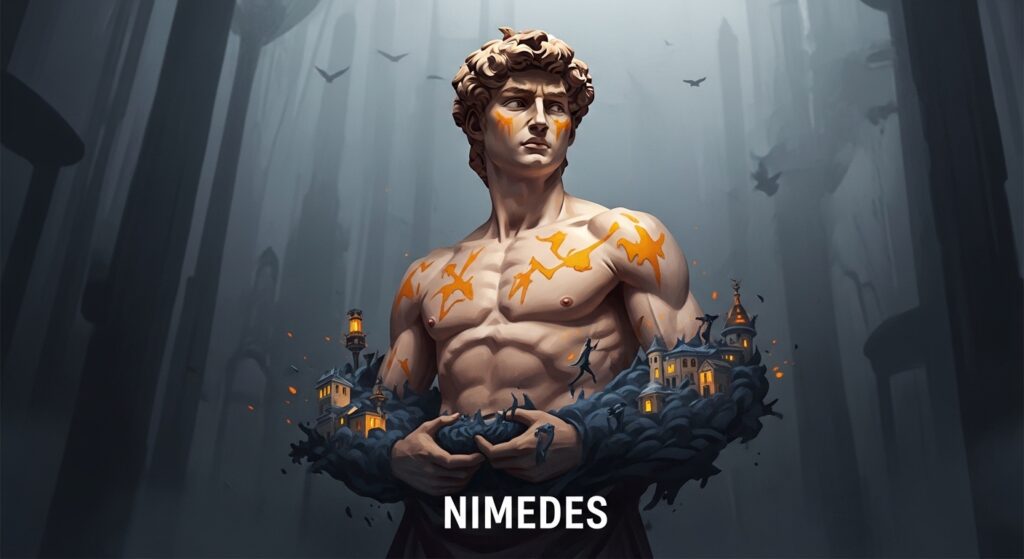
Nimedes has long captivated the imaginations of artists and writers alike. This enigmatic figure, steeped in myth and mystery, offers a treasure trove of inspiration. From ancient sculptures to poetic verses, the journey through time reveals how Nimedes evolved across cultures and eras. As we dive deeper into this fascinating narrative, we’ll explore the rich tapestry woven around Nimedes — a character whose essence transcends mere storytelling. Join us as we uncover the layers of history that have shaped Nimedes into an enduring symbol in art and literature.
The Mythological Origins of Nimedes
Nimedes finds its roots in ancient mythology, steeped in tales of transformation and transcendence. This enigmatic figure is often linked to themes of nature and the cosmos.
Legends tell of Nimedes as a guardian spirit, bridging the mortal realm with divine elements. This connection fosters a sense of wonder among those who hear the stories.
In various cultures, Nimedes is depicted not just as a character but also as an embodiment of universal truths. Symbols associated with him reveal deeper insights into human existence.
Woven through folklore are accounts that speak to his influence on seasons and harvests. Such narratives illustrate how society viewed nature’s rhythm through the lens of divine intervention.
These origins set the stage for countless artistic interpretations throughout history, reflecting humanity’s ongoing fascination with this mythic entity.
Depictions of Nimedes in Ancient Art
Ancient art often served as a canvas for storytelling, and Nimedes was no exception. In sculptures and frescoes, artists captured his essence with remarkable detail.
The vibrant colors of pottery featuring Nimedes reveal the admiration ancient cultures held for this figure. These artifacts showcase dynamic poses that highlight his strength and grace.
In marble reliefs, he is frequently depicted in battle scenes or surrounded by nature’s beauty. This connection to the natural world emphasizes his role as a protector or hero.
Temples adorned with intricate carvings illustrate encounters between Nimedes and other mythological figures. Each piece invites viewers into an epic narrative filled with drama and emotion.
These artistic representations not only celebrate Nimedes but also reflect the values of the civilizations that honored him through their creative expressions. They offer glimpses into how these ancient societies viewed heroism, divinity, and the human experience intertwined with myth.
The Influence of Nimedes in Classical Literature
Nimedes carved a distinct niche in classical literature, often symbolizing the duality of human experience. Authors like Homer and Hesiod referenced this enigmatic figure, weaving him into tales that explored themes of heroism and tragedy.
His allure lay in his complexity—both a muse and an adversary to heroes. Epic poems frequently employed Nimedes as a catalyst for character development. He challenged protagonists to confront their inner fears, making stories richer.
Dramatic works also embraced Nimedes’ essence, using him to amplify moral dilemmas faced by characters throughout ancient Greek tragedies. His influence extended beyond mere mention; he embodied philosophical questions about fate and free will that captivated thinkers of the time.
As poets penned verses celebrating valor or lamenting loss, Nimedes became a powerful metaphor for life’s unpredictable nature—a reminder that every journey holds both triumphs and tribulations awaiting discovery.
Nimedes in Medieval Art and Literature
During the medieval period, Nimedes became a figure of fascination. Artists and writers began to weave his image into tapestries and manuscripts, reflecting society’s evolving values.
In illuminated texts, Nimedes was often portrayed as a symbol of wisdom and resilience. His stories were reimagined, emphasizing moral lessons that resonated with contemporary audiences. These tales captured the imaginations of both noble patrons and common folk.
Gothic sculptures also featured dramatic interpretations of Nimedes’ adventures. Each carving told a story filled with emotion—triumphs and trials intertwined in intricate designs.
Additionally, poets found inspiration in him. Works from this era depicted themes of love, sacrifice, and heroism through his lens. The character evolved beyond mere mythology; he became an embodiment of human experience during tumultuous times.
Nimede’ presence in medieval art is a testament to the enduring power of myth across generations. He bridged ancient traditions with new cultural narratives.
Revival of Interest in Nimede during the Renaissance
The Renaissance marked a significant resurgence of interest in classical mythology, and Nimedes was no exception. Artists and scholars looked back to ancient texts for inspiration, breathing new life into forgotten figures.
Painters like Sandro Botticelli captured the essence of Nimedes in vivid frescoes. His imagery emphasized beauty, harmony, and the connection to nature that characterized this mythological figure.
Literary works also revived Nimedes as poets wove tales about his adventures. These narratives blended elements of love and heroism, appealing to an era fascinated by human emotion and experience.
Scholars began analyzing original texts more closely too. They sought deeper meanings behind Nimedes’ actions and symbolism within stories, igniting conversations that spanned across Europe.
This renewed focus allowed artists and writers not only to reinterpret but also celebrate the complexities of Nimedes. It created a bridge connecting past myths with contemporary thought during this transformative period in history.
Modern Interpretations and Adaptations of Nimedes
Modern interpretations of Nimede continue to spark creativity across various mediums. Artists and writers are reimagining this mythological figure in fresh contexts, bridging ancient themes with contemporary issues.
In literature, Nimede often embodies the struggle between tradition and innovation. Authors weave his narratives into tales that explore identity, belonging, and the human condition. His character serves as a vessel for deeper philosophical questions.
Visual artists are also embracing Nimede’ image. From vivid paintings to striking sculptures, they capture his essence while infusing modern aesthetics. These works challenge viewers’ perceptions and invite them to reflect on timeless themes.
The digital realm offers new avenues for exploration too. Video games and graphic novels portray Nimedes in dynamic ways, appealing to younger audiences while preserving the core of his story.
As culture evolves, so does our understanding of iconic figures like Nimedes. Each interpretation adds layers of meaning that resonate with today’s society.
Conclusion
The journey of Nimedes through time reveals the richness of cultural and artistic interpretation. From its mythological roots to modern adaptations, this figure has continually inspired creativity across various media. Each era has redefined Nimedes, showcasing unique aspects relevant to its time.
Artistic portrayals have evolved, reflecting societal values and beliefs, while literature has woven intricate narratives around the character. The fascination surrounding Nimedes continues to thrive today as contemporary creators revisit these age-old stories.
As we look forward, it’s evident that the legacy of Nimedes will persist in shaping new forms of expression. Whether through painting, sculpture, or storytelling, this timeless figure invites exploration and reflection for generations to come.