

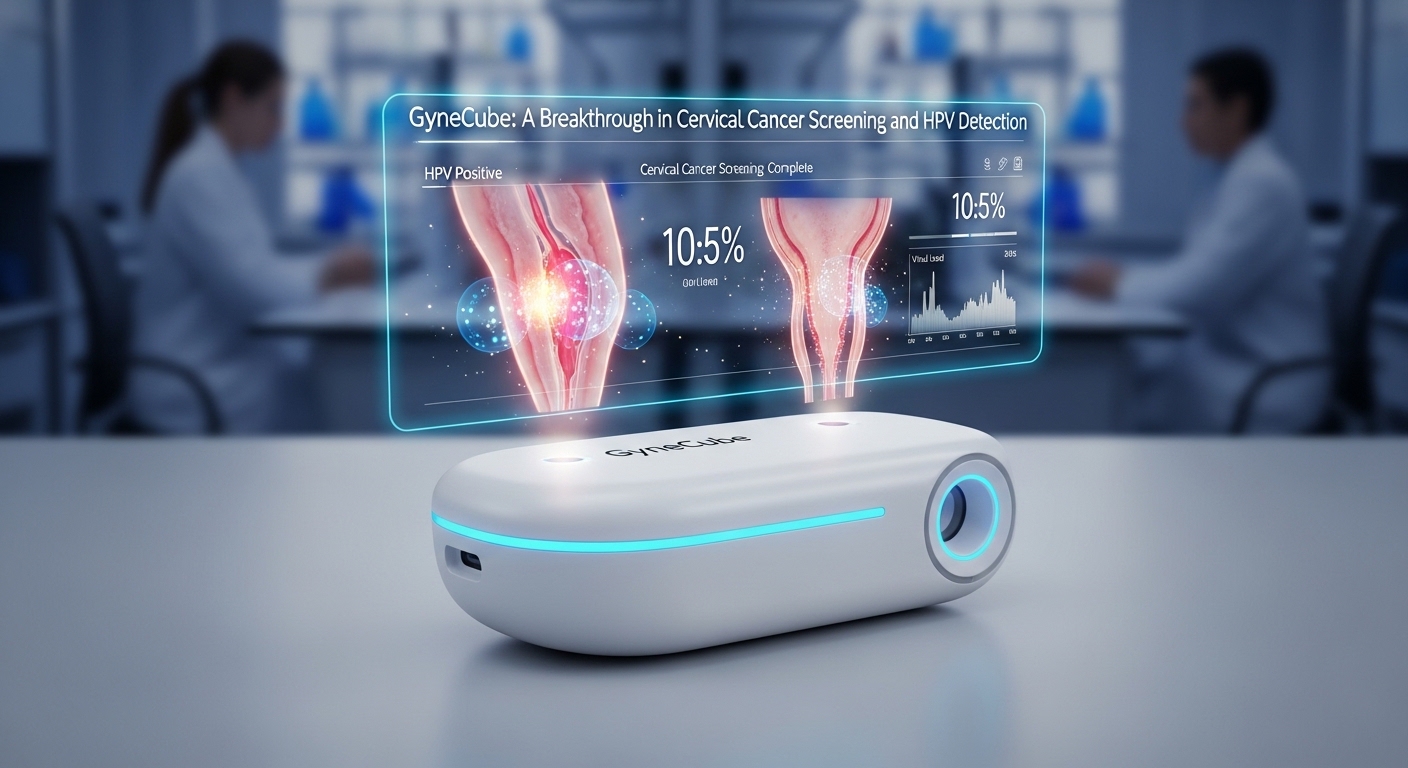
Cervical cancer remains one of the most preventable yet impactful cancers affecting women worldwide. Central to prevention is early detection of human papillomavirus (HPV), the virus responsible for the vast majority of cervical cancer cases. As medicine evolves, so do the tools used for screening and diagnosis. One of the most promising advancements in this field is GyneCube, an automated molecular diagnostic platform designed to improve the speed, accuracy, and accessibility of HPV testing.
Understanding Cervical Cancer and HPV
To appreciate the importance of GyneCube, it is necessary to understand the role HPV plays in cervical cancer.
Human papillomavirus (HPV) is a group of more than 200 related viruses, with certain high-risk strains—such as HPV 16 and 18—directly associated with cervical cancer development. HPV infection is widespread, and while most cases are harmless and resolve on their own, persistent high-risk HPV infections can lead to cellular changes in the cervix. Over time, these changes may progress to precancerous lesions and eventually cancer if not detected early.
For decades, cervical cancer screening has relied on cytology-based tests, such as the Pap smear. In recent years, HPV molecular testing has become the gold standard for detecting high-risk HPV types, helping clinicians identify women at risk earlier and with greater precision.
What Is GyneCube?
GyneCube is an advanced automated molecular diagnostic system developed for the detection of high-risk HPV DNA in cervical samples. Rather than relying on manual lab procedures prone to variability and slower turnaround times, GyneCube integrates sample processing, amplification, and detection into a compact, automated platform.
It is designed for use in clinical laboratories, hospitals, and screening programs where efficient, accurate HPV testing is critical.
How GyneCube Works
GyneCube operates using molecular biology techniques that identify viral DNA in patient samples. Here’s a breakdown of the testing workflow:
1. Sample Collection
A cervical cell sample is collected from the patient using a swab or brush during a routine gynecological exam. The collected cells are placed into a transport medium, ready for laboratory analysis.
2. Sample Preparation
The laboratory receives the sample, which is then prepped and loaded into the GyneCube system. The device’s design allows for minimal manual intervention—saving time and reducing the risk of contamination.
3. DNA Amplification
GyneCube uses nucleic acid amplification technology (NAAT) to multiply segments of viral DNA. This enables even low levels of HPV genetic material to be detected with high sensitivity.
4. Automated Detection
Once amplification is complete, the system analyzes the genetic material for high-risk HPV types. The automated process interprets results and reports findings directly to clinicians.
This streamlined workflow significantly reduces turnaround time compared with traditional molecular testing methods.
Key Features of GyneCube
GyneCube’s design incorporates several important features that make it a valuable tool in cervical cancer screening:
Full Automation
The system performs most steps—from sample processing to detection—automatically, reducing the likelihood of human error and improving consistency.
Rapid Results
GyneCube delivers results more quickly than traditional manual testing, enabling clinicians to make timely decisions regarding patient care.
High Sensitivity and Specificity
Molecular testing with GyneCube detects even small amounts of HPV DNA, increasing the chance of identifying infections early, before cellular abnormalities develop.
Compact Design
The device’s small footprint makes it suitable for laboratories with limited space, expanding access to advanced HPV diagnostics.
Simplified Workflow
Reduced manual procedures ease laboratory workload and support higher throughput—especially important in large-scale screening programs.
How GyneCube Enhances Cervical Cancer Screening
HPV testing has become an essential component of cervical cancer screening worldwide. GyneCube contributes to this effort in several ways:
Early Detection
Detecting high-risk HPV before cellular changes occur allows for earlier follow-up and treatment, potentially preventing cancer development.
Improved Accuracy
Molecular approaches like those used in GyneCube are more sensitive than cytology alone, catching infections that might otherwise be missed.
Scalability
Automated systems make high-volume testing feasible, an advantage for public health programs targeting wide populations.
Consistency
Automation reduces variability in testing, enhancing reliability across samples and laboratories.
Why GyneCube Matters
Early detection saves lives. Every year, hundreds of thousands of women develop cervical cancer globally, and many of these cases could be prevented through effective screening. GyneCube plays a vital role in enhancing screening efforts by:
-
Supporting public health initiatives
-
Improving laboratory efficiency
-
Reducing time to diagnosis
-
Enhancing patient outcomes
By integrating automation and molecular technology, GyneCube enables healthcare providers to detect high-risk HPV more efficiently and accurately.
Implementing GyneCube in Healthcare Settings
Adopting advanced diagnostic systems like GyneCube requires careful planning:
Training Laboratory Personnel
Lab staff must be trained to operate the system and interpret results accurately.
Infrastructure Support
Facilities need appropriate infrastructure—such as reliable electricity and controlled environments—to ensure optimal performance.
Integration with Health Records
Linking test results with electronic medical records allows clinicians to manage patient care seamlessly.
Quality Assurance Programs
Ongoing calibration and maintenance ensure continued accuracy and performance of the diagnostic system.
Challenges and Considerations
While GyneCube offers many advantages, there are practical considerations:
Cost of Implementation
Advanced diagnostic systems can require significant upfront investment. Budget planning is essential for healthcare facilities adopting this technology.
Access in Low-Resource Settings
Ensuring equal access to advanced diagnostics in low-resource regions remains a challenge. Partnerships and funding support may help expand availability.
Complement to Clinical Judgment
Diagnostic tools like GyneCube support—but do not replace—clinical evaluation and follow-up care.A Look at the Future
The future of cervical cancer screening is bright, with ongoing innovation in diagnostics and technology. Enhancements to systems like GyneCube may include:
Integration with Telemedicine
Remote access to diagnostic results could improve care in underserved regions.
AI-Assisted Interpretation
Artificial intelligence could help identify patterns or predict outcomes based on testing data.
Broader Molecular Testing
Technologies developed for HPV detection may expand to other infectious diseases or genetic screening applications.
Population Health Analytics
Advanced data tools could monitor screening trends and outcomes at a community or national level.
Conclusion
GyneCube represents a significant advancement in the fight against cervical cancer. By combining automation, rapid processing, and molecular precision, this diagnostic platform enhances HPV detection and strengthens overall screening strategies.
In a world where early detection can mean the difference between prevention and disease progression, tools like GyneCube are critical. They help clinicians respond swiftly and effectively to potential risks, support public health programs, and empower women to take proactive steps in managing their health.
As technology continues to evolve, the integration of platforms like GyneCube into healthcare systems around the world will play an essential role in reducing the global burden of cervical cancer.
Whether used in large screening programs or individual clinical settings, GyneCube is an innovation with the potential to save lives—one test at a time.