

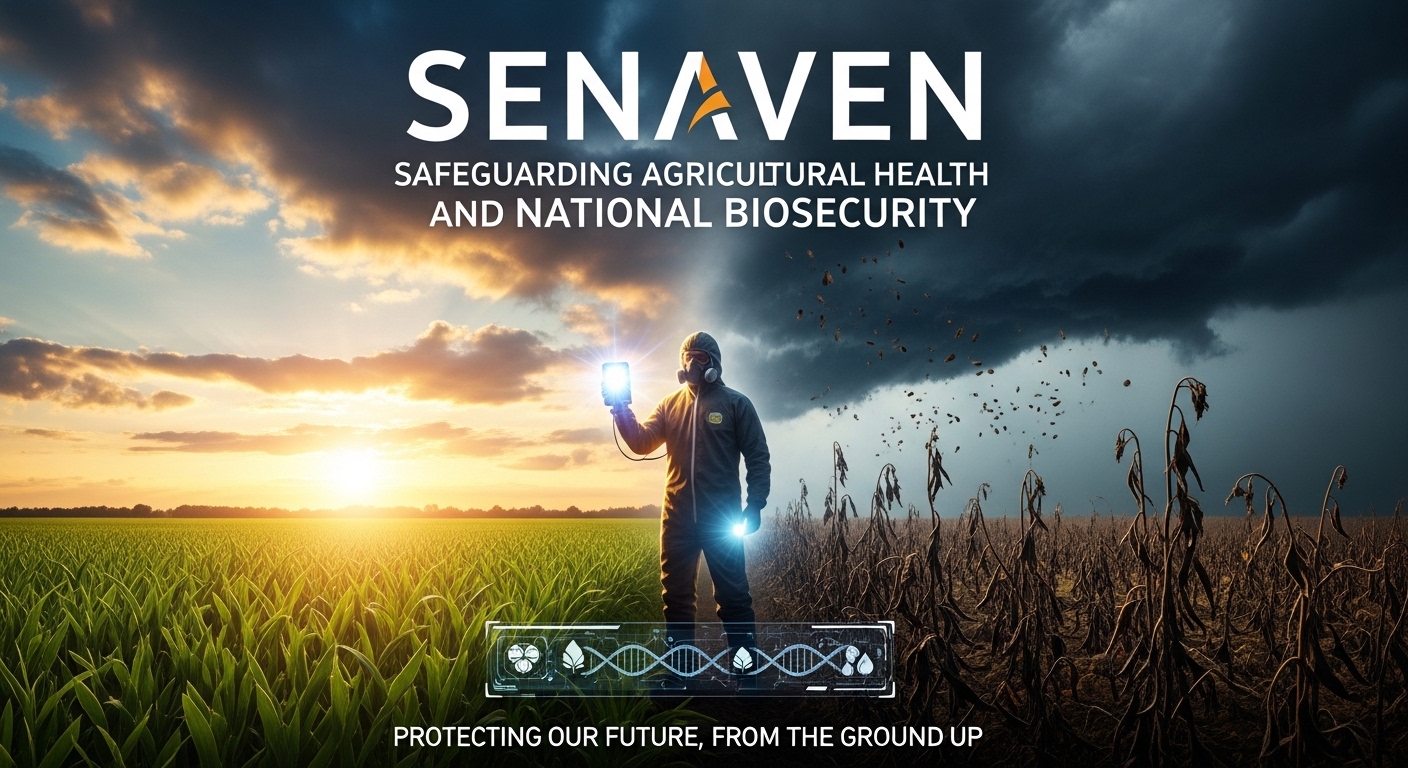
SENAVEN refers to the National Service for Agricultural Health, an institution responsible for protecting and regulating plant and animal health within a country. Its primary mission is to safeguard agricultural production, ensure food safety, and prevent the spread of pests and diseases that could threaten the national economy and public health.
Agriculture plays a critical role in food security, employment, and economic stability. Institutions like SENAVEN are essential for maintaining high standards in agricultural practices, monitoring imports and exports, and ensuring compliance with international regulations.
Through inspections, certifications, and preventive measures, SENAVEN strengthens the agricultural sector and supports sustainable development.
The Core Mission of SENAVEN
The fundamental mission of SENAVEN is to protect agricultural resources from biological threats. This includes monitoring crops, livestock, seeds, fertilizers, and agricultural products to prevent contamination or disease outbreaks.
SENAVEN also works to ensure that agricultural goods meet quality standards for both domestic consumption and international trade. By enforcing regulations and conducting inspections, the institution promotes safe, reliable, and competitive agricultural production.
In addition, SENAVEN contributes to national biosecurity by controlling the entry of potentially harmful organisms through borders and ports.
Key Functions of SENAVEN
Plant Health Protection
One of SENAVEN’s main responsibilities is protecting plant health. This involves monitoring crops for pests, fungi, viruses, and invasive species that could damage agricultural productivity.
Through field inspections and laboratory testing, SENAVEN identifies potential risks early and implements control measures. Preventing plant diseases helps farmers maintain healthy yields and reduces economic losses.
Effective plant health management also ensures that exported agricultural goods meet international phytosanitary standards.
Animal Health Oversight
SENAVEN plays a role in safeguarding livestock health by monitoring diseases that affect animals. Controlling outbreaks is crucial to protecting food supplies and preventing zoonotic diseases that could affect humans.
Veterinary inspections, vaccination campaigns, and disease surveillance programs are part of the institution’s responsibilities.
By maintaining strong animal health systems, SENAVEN supports food safety and public health initiatives.
Regulation of Agricultural Inputs
Agricultural inputs such as seeds, fertilizers, pesticides, and animal feed must meet safety and quality standards. SENAVEN evaluates and registers these products before they are distributed or sold.
This regulatory function ensures that farmers use safe and effective materials, reducing environmental harm and maintaining crop integrity.
Monitoring agricultural inputs also prevents counterfeit or substandard products from entering the market.
Import and Export Control
International trade in agricultural products requires strict compliance with phytosanitary and sanitary regulations. SENAVEN oversees inspections at ports, airports, and border checkpoints.
Imported goods are checked to prevent the introduction of harmful pests or diseases. Exported goods must meet the requirements of destination countries.
This role supports international trade relationships and enhances the country’s agricultural competitiveness.
Importance of SENAVEN in Food Security
Food security depends on reliable agricultural production and safe supply chains. SENAVEN contributes to food security by ensuring crops and livestock remain healthy.
By preventing disease outbreaks and monitoring quality standards, the institution helps maintain stable food supplies.
Food safety measures protect consumers from contaminated or unsafe products. In this way, SENAVEN serves both producers and the general public.
SENAVEN and Environmental Protection
Sustainable agriculture requires balancing productivity with environmental responsibility. SENAVEN regulates pesticide use and promotes safe agricultural practices.
By controlling harmful chemicals and invasive species, the institution helps preserve biodiversity and soil health.
Environmental protection is closely linked to agricultural sustainability, making SENAVEN’s regulatory role essential for long-term ecological stability.
Collaboration and International Standards
Agricultural health is a global concern. SENAVEN collaborates with international organizations and neighboring countries to share information and align standards.
Compliance with international frameworks such as phytosanitary agreements ensures smoother trade and mutual recognition of certifications.
Cross-border cooperation strengthens regional biosecurity and reduces global agricultural risks.
Challenges Facing SENAVEN
Like many regulatory institutions, SENAVEN faces evolving challenges.
Climate change increases the spread of pests and diseases, requiring enhanced monitoring systems. Globalization also raises the volume of agricultural trade, increasing inspection demands.
Technological advancements are necessary to improve surveillance, laboratory testing, and data analysis.
Continuous adaptation and innovation are essential for maintaining effective agricultural health systems.
Digital Transformation in Agricultural Regulation
Modern agricultural oversight increasingly relies on digital tools. SENAVEN may implement electronic certification systems, digital inspection records, and online databases.
Digital transformation improves efficiency, transparency, and traceability. Farmers and exporters benefit from faster processing times and improved communication.
Technology enhances data-driven decision-making, strengthening national agricultural resilience.
Benefits of a Strong Agricultural Health Authority
A well-functioning institution like SENAVEN offers multiple benefits.
It protects farmers from devastating crop and livestock losses. It ensures consumers receive safe food products. It supports economic growth through secure export markets.
Trust in agricultural regulation strengthens investor confidence and international partnerships.
Overall, effective agricultural health management contributes to national stability and development.
The Future of SENAVEN
Looking ahead, SENAVEN’s role will likely expand as agricultural systems become more complex. Emerging technologies such as biotechnology, genetic engineering, and smart farming require updated regulatory frameworks.
Strengthening research, investing in innovation, and building public awareness will be critical.
With growing global challenges such as climate change and food demand, institutions like SENAVEN remain central to sustainable agricultural progress.
Conclusion
SENAVEN plays a vital role in protecting agricultural health, ensuring food safety, and supporting economic development. Through plant and animal health monitoring, regulation of agricultural inputs, and oversight of imports and exports, the institution safeguards both producers and consumers.
As global agricultural systems evolve, strong regulatory frameworks become increasingly important. SENAVEN’s commitment to biosecurity, sustainability, and international cooperation positions it as a key pillar in maintaining safe and resilient agricultural systems.
By balancing regulation, innovation, and collaboration, SENAVEN contributes significantly to national food security and long-term agricultural success.